Skip links

ADHD services

ADHD Diagnostic Testing Objective. Evidence-Based. On-Site.

We offer in-clinic ADHD diagnostic testing using a computerized, objective assessment that measures attention, impulsivity, and activity levels.

Results are reviewed by a medical provider and used alongside a clinical evaluation to support an accurate ADHD diagnosis.

Available for children, adolescents, and adults.


Same-day testing. Clear next steps.

What Is ADHD?

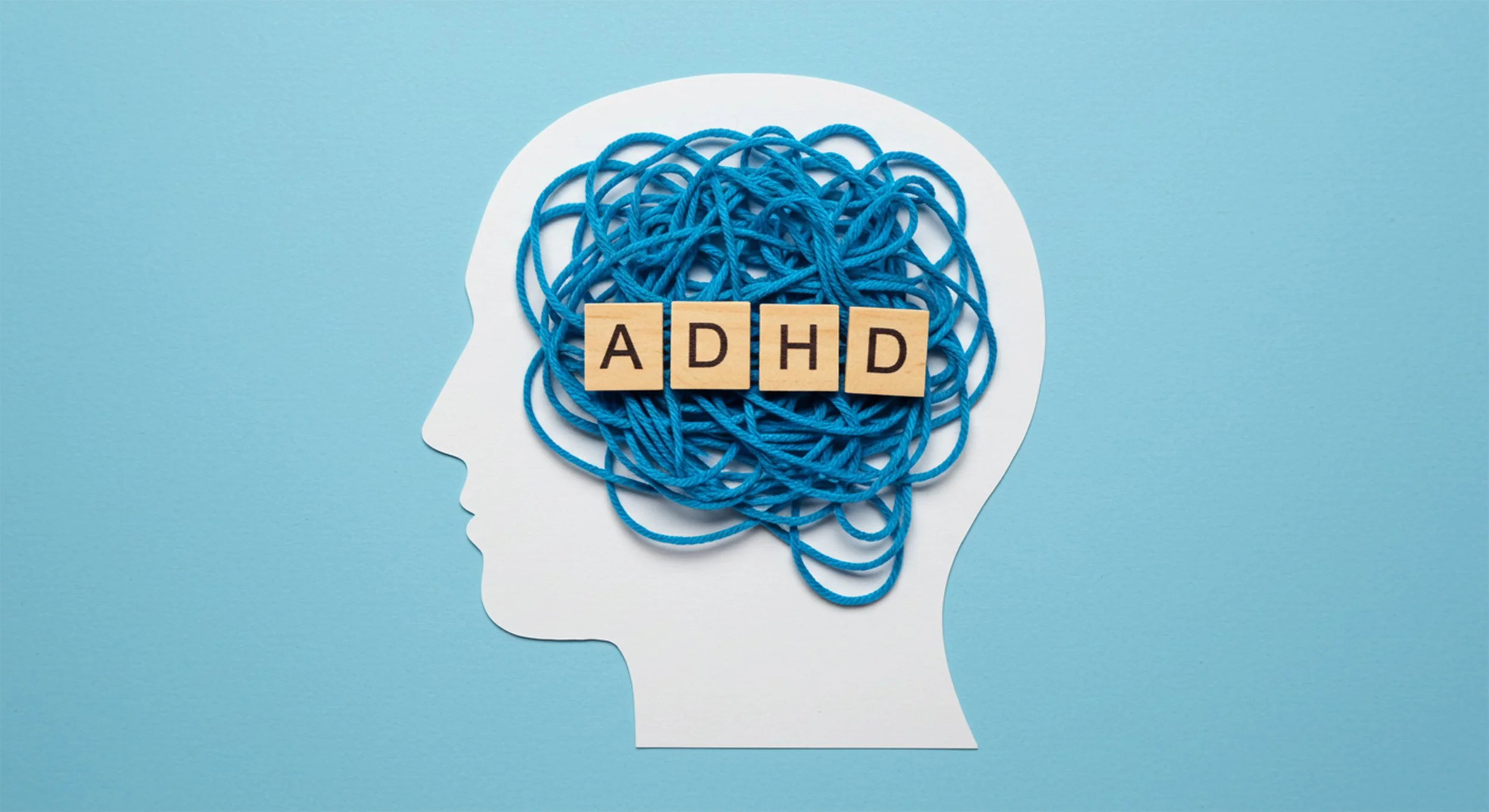
Attention-Deficit/Hyperactivity Disorder (ADHD) is classified into three clinical presentations as defined by the DSM-5-TR.

Predominantly Inattentive Presentation is characterized by persistent symptoms such as impaired sustained attention, disorganization, forgetfulness, and difficulty completing tasks.

Predominantly Hyperactive-Impulsive Presentation involves excessive motor activity, restlessness, impulsive decision-making, and difficulty inhibiting responses.

Combined Presentation, the most prevalent form, meets diagnostic criteria for both inattentive and hyperactive-impulsive symptom clusters.

Accurate identification of the clinical presentation is essential for diagnostic clarity, treatment planning, and long-term symptom management.


Who Should Visit Mental Health Urgent Care?

Our ADHD Evaluation & Treatment Model

In our clinic, ADHD care is delivered through a comprehensive, evidence-based approach that includes:

  • Comprehensive Clinical Assessment
    Review of medical, developmental, academic/work, and psychosocial history

  • DSM-5-TR–Based Symptom Evaluation
    Assessment of symptom type, severity, age of onset, and functional impairment across settings

  • Standardized Rating Scales
    Validated questionnaires completed by patients and, when appropriate, parents, teachers, or caregivers

  • Objective Testing with QbTech (QbTest)
    Measurement of attention, impulsivity, and activity level using age- and sex-matched normative data to support diagnostic clarity

  • Integrated Clinical Interpretation
    Synthesis of subjective reports, objective data, and clinical findings to guide diagnosis and care planning

  • Treatment Initiation and Management
    Evidence-based treatment, including medication management when clinically appropriate

  • Care Coordination & Continuity
    Linkage to outpatient support physicians and specialists (e.g., psychiatry, psychology, behavioral therapy) to ensure ongoing, coordinated care

Final diagnoses and treatment decisions are made through provider clinical judgment, with objective testing used as a supportive adjunct—not a standalone diagnostic tool.